
Choose Your Glow: Lactic, Glycolic & Salicylic Acid Peels
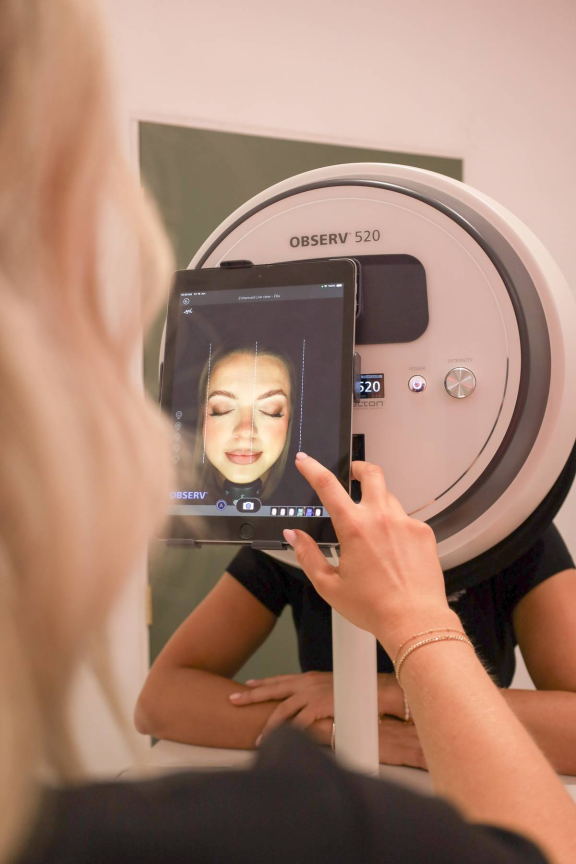
Party season is approaching, and while we can’t organise your outfit or clear your calendar, we can help you give your skin a little extra attention.If your complexion is looking dull, feeling rough or dealing with congestion, a professional skin peel could be a useful addition to your skincare plan. But which one should you choose?

Meet the three acids on the menu at The New Law: lactic, glycolic and salicylic.

What does a skin peel actually do?

A chemical peel uses an exfoliating solution to remove dead skin cells and help improve the appearance of concerns such as uneven texture, dullness and some types of breakouts. The results and recovery depend on the peel used and your individual skin.

A quick skincare clarification: lactic and glycolic acids are alpha hydroxy acids, or AHAs. Salicylic acid is a beta hydroxy acid, or BHA. They’re all exfoliating acids, but they have different strengths when it comes to choosing a treatment.

Lactic Acid: The Glow Getter

Skin looking a little lacklustre? Lactic acid is an AHA used for surface exfoliation, helping refresh the appearance of dull, uneven skin.

It’s an option to discuss if your goal is a smoother-looking complexion with a little more glow. Your therapist will assess whether the formulation suits your skin -particularly if you’re dry, sensitive or already using active skincare.


Your skin goal: a fresher, smoother-looking finish.

Glycolic Acid: The Resurfacer

When rough texture and uneven tone are stealing your glow, glycolic acid may be an option.


This AHA is commonly used in peels aimed at improving the appearance of surface texture, discolouration and fine lines. Suitability depends on your skin condition and the treatment formulation.


Your skin goal: smoother-looking texture and a more even-looking complexion.

Salicylic Acid: The Pore Patrol

Blackheads and congestion making themselves a little too comfortable?


Salicylic acid is the BHA in our lineup. It’s often considered for oily, congested or blemish-prone skin, and salicylic peels may help with comedonal acne – the type that includes blackheads and whiteheads.


Your skin goal: fewer clogged pores and a clearer-looking complexion.

Will my skin actually peel?

Possibly – but don’t use visible flaking as your scorecard.


The amount of peeling varies with the treatment and your skin. You may experience redness, dryness or flaking, and even a superficial peel can require recovery time. Your therapist will explain what to expect and how to care for your skin afterwards.


If you’re preparing for a special event, plan ahead so your skin has time to settle.

Which peel is right for me?

You don’t need to choose your acid before you arrive.


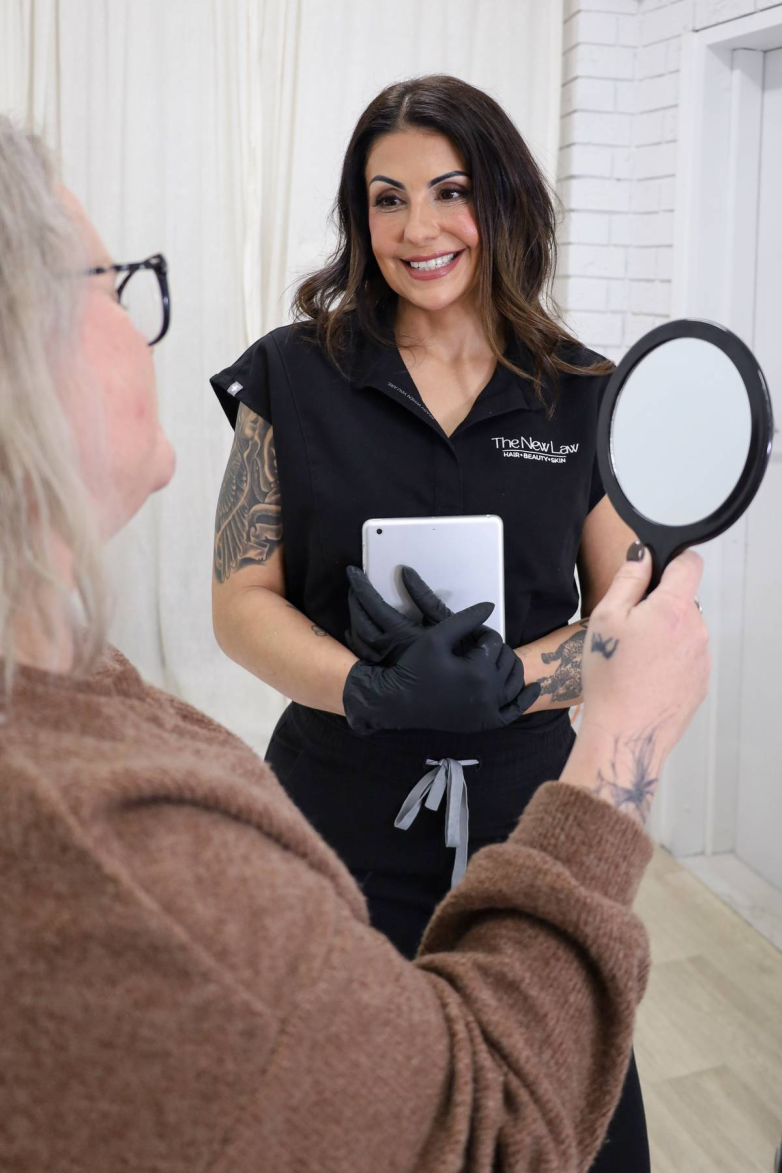
Tell us what you’d like to improve, and we’ll assess your skin, current skincare and relevant health history before recommending a suitable option. Let us know about medications, allergies, pregnancy or breastfeeding, recent treatments and any irritation.


A peel isn’t suitable for every skin at every appointment, and a personalised assessment matters.

Protect your post-peel glow

Follow the aftercare instructions provided for your treatment, keep your routine gentle and check with your therapist before restarting exfoliants or retinoids.


Sun protection is especially important: AHAs can increase sensitivity to sunlight. Use broad-spectrum sunscreen, seek shade and limit direct sun exposure.

October Party Season Prep at The New Law

This October, our promotional peel treatment is 60% off – now $39.60, usually $99.


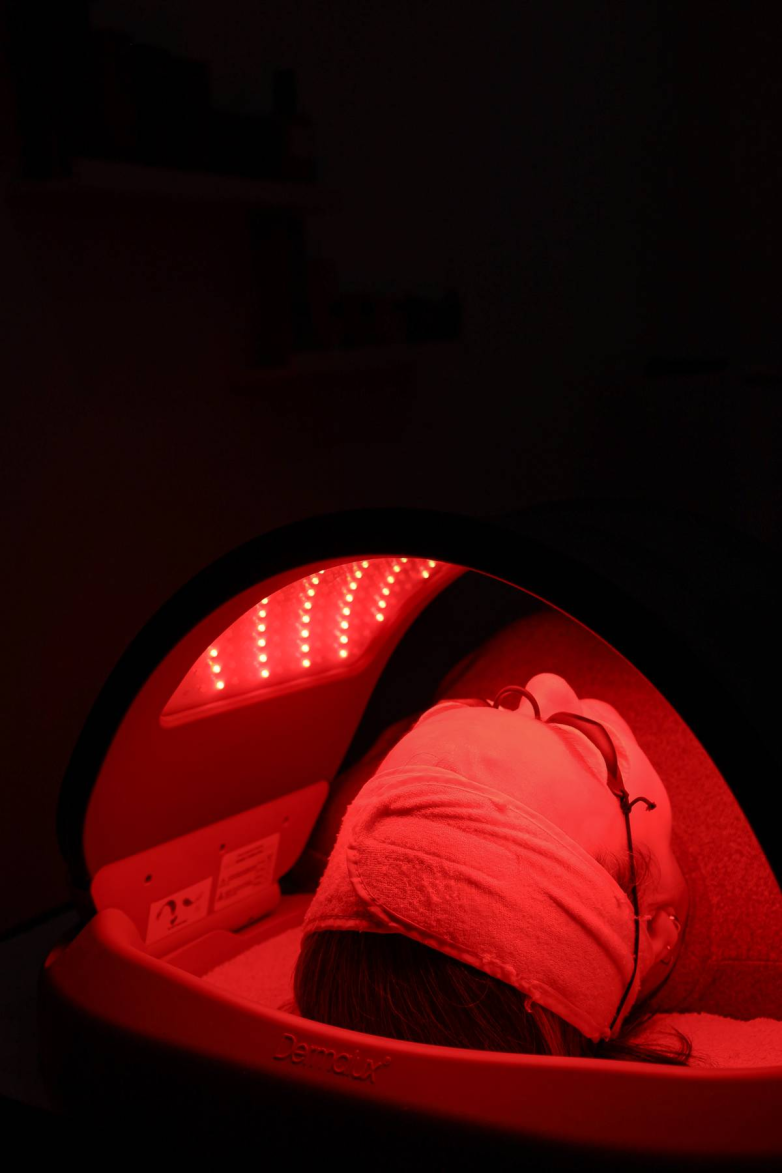
You can also add LED for $25.


Whether you’re chasing glow, smoother-looking texture or help with congestion, we’ll help you find a suitable starting point

Book your October skin appointment at The New Law through Fresha, and let’s choose your glow.

What do you think?

Your email address will not be published. Required fields are marked *

No Comments Yet.